If your dog is sniffing your genital area, it means you have….

If your dog is sniffing your genital area, it means you have….
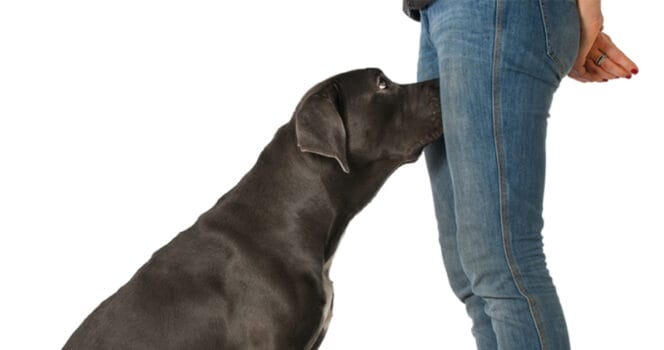
Dogs have a unique way of interacting with the world, and their sense of smell plays a crucial role in how they gather information. If you’ve ever had a dog greet you by sniffing certain areas of your body, you might have wondered why they do it and whether it’s normal behavior.
Understanding the reasons behind this behavior can help dog owners manage it properly while ensuring that their furry companions continue to explore their surroundings in a natural and acceptable way. In this article, we’ll discuss why dogs rely so much on their sense of smell, what their sniffing behavior means, and how to gently redirect it when necessary.
The Incredible Sense of Smell in Dogs
A dog’s sense of smell is one of the most powerful in the animal kingdom. Unlike humans, who primarily rely on sight, dogs use their noses to understand the world around them. They possess up to 300 million scent receptors, compared to humans, who only have about 5-6 million. This means that a dog’s ability to detect and distinguish scents is significantly more advanced than ours.
Dogs process scents through a specialized organ called the vomeronasal organ, also known as the Jacobson’s organ. This allows them to detect chemical signals, known as pheromones, which convey vital information about other animals and people.
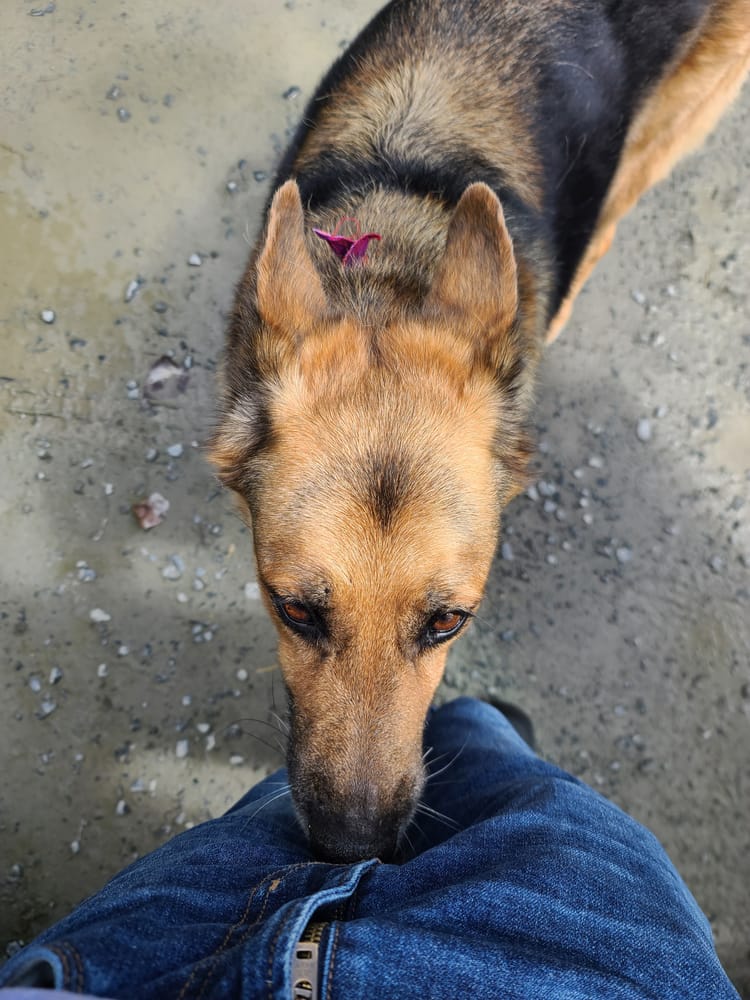
Why Do Dogs Sniff Certain Areas of the Body?
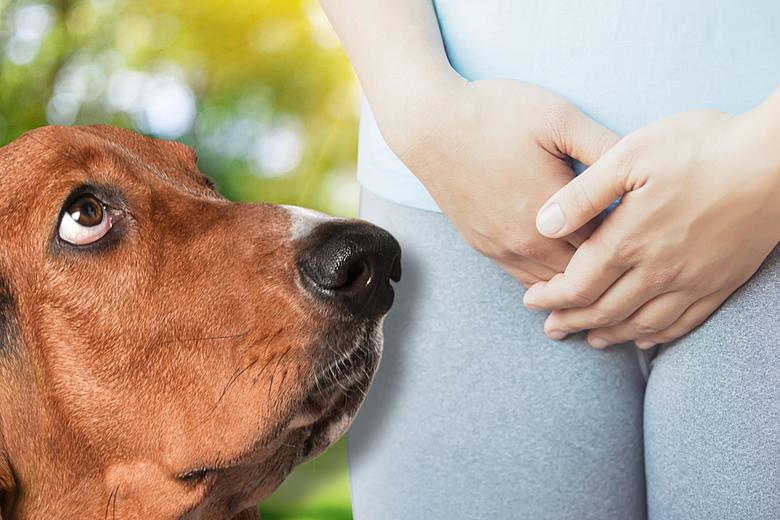
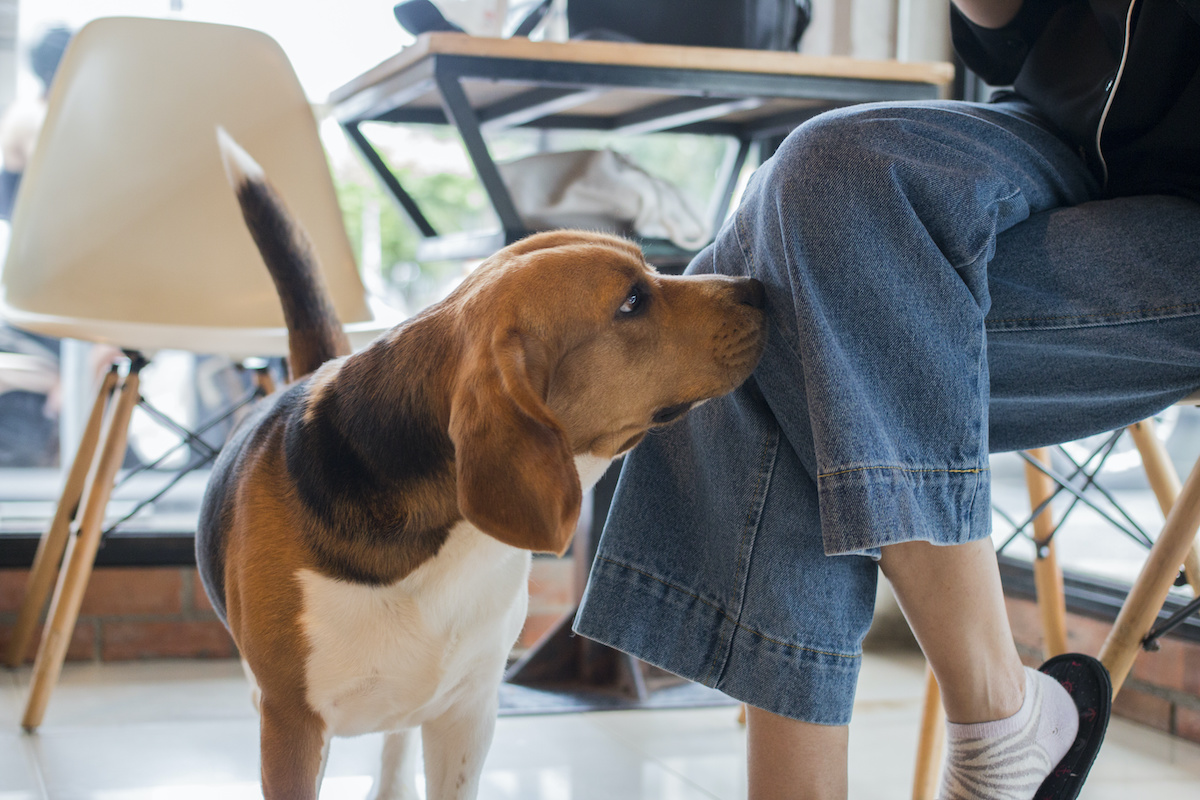
When dogs greet humans, they tend to sniff areas with the highest concentration of scent glands. This behavior is completely normal and is a way for dogs to gather information about a person’s identity, mood, and even health status. Some of the primary reasons dogs engage in sniffing include:
1. Gathering Information
Dogs use their noses to recognize people, much like humans rely on facial recognition. When your dog sniffs you or a guest, they are collecting scent-based details about where you’ve been, who you’ve interacted with, and even your emotional state.
2. Identifying Unique Scents
Dogs are naturally drawn to areas where the body produces strong scents. The apocrine glands, found in regions such as the underarms and other warm areas of the body, release pheromones that contain information about a person’s age, gender, and emotional state.

3. Recognizing Changes in Hormones
Dogs have been known to detect hormonal changes in humans, which is why they sometimes show increased interest in people who are pregnant, ovulating, or experiencing hormonal fluctuations. Their noses can pick up subtle chemical shifts in the body that even humans are unaware of.
4. Understanding Emotions Through Smell
A dog’s keen sense of smell allows them to detect stress, fear, or excitement. The human body releases different chemical compounds when experiencing various emotions, and dogs can pick up on these changes, influencing their interactions with people.
5. Detecting Health Issues
Scientific studies suggest that dogs can identify certain health conditions through scent. Some trained dogs have been able to detect illnesses like diabetes, seizures, and even certain types of cancer by picking up on unusual chemical changes in the body.
How to Gently Redirect Sniffing Behavior
While sniffing is a natural and important part of how dogs interact with the world, it can sometimes be uncomfortable or intrusive, especially when they greet guests in an overly enthusiastic manner. Fortunately, there are positive reinforcement techniques to manage and redirect this behavior:
1. Teach an Alternative Greeting
One of the best ways to prevent excessive sniffing is to train your dog to engage in an alternative greeting, such as sitting when meeting new people or offering a paw instead of sniffing.
- How to do it: Each time someone enters the home, use a command like “sit” or “stay” and reward your dog with a treat for following the command.
- Over time, your dog will associate greetings with calm behavior rather than excessive sniffing.
2. Redirect Attention with Toys or Treats
If your dog has a habit of greeting people by sniffing too closely, redirect their focus by offering a favorite toy or treat when guests arrive. This shifts their excitement toward a more appropriate behavior.
3. Encourage Proper Socialization
Dogs that are well-socialized from an early age tend to display better manners when interacting with people. Introducing them to various environments, people, and situations helps them become more comfortable and less inclined to exhibit excessive sniffing.
4. Reward Good Behavior
Positive reinforcement works best when training dogs. Praise them when they greet people appropriately, and use treats or verbal encouragement to reinforce positive behaviors.
5. Provide Plenty of Scent-Based Activities
Since sniffing is a fundamental part of a dog’s nature, engaging them in scent-focused activities can help fulfill their natural instincts without unwanted behaviors.
Some great scent-based activities include:
- Snuffle mats (interactive mats that encourage dogs to use their noses to find treats)
- Puzzle toys that hide treats for them to locate
- Scent games like hide-and-seek with toys
When to Seek Professional Help
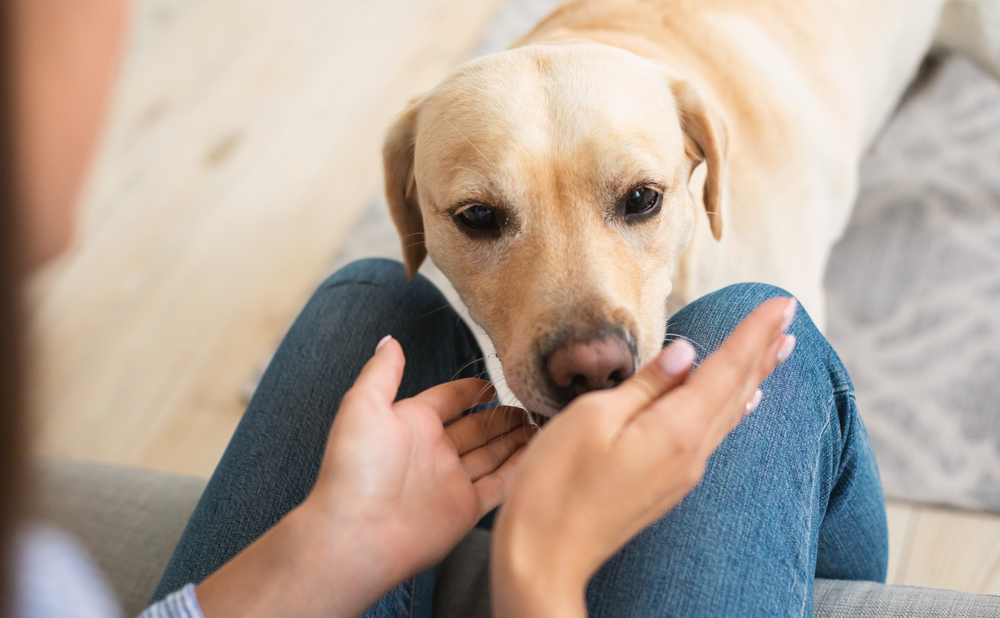
While most sniffing behaviors are normal, there are some situations where excessive sniffing might indicate anxiety, stress, or underlying health issues. Consider consulting a veterinarian or professional dog trainer if:
- Your dog suddenly starts sniffing excessively or obsessively at certain areas of the body.
- The behavior is accompanied by whining, excessive drooling, or signs of distress.
- Your dog exhibits signs of territorial behavior or discomfort around strangers.
Final Thoughts: A Natural Behavior That Can Be Managed
Dogs rely on their incredible sense of smell to navigate the world, and sniffing is a natural part of their communication. While this behavior is typically harmless, understanding why it happens can help dog owners manage it in a way that keeps both pets and people comfortable.
By using positive reinforcement techniques, encouraging alternative greetings, and providing scent-based activities, you can help your dog satisfy their natural instincts while maintaining good manners. With patience and training, you can ensure that your furry friend greets everyone in a friendly and respectful way.
Comments
Post a Comment