A single ingredient to combat bone pain, diabetes, anxiety, depression, and constipation!
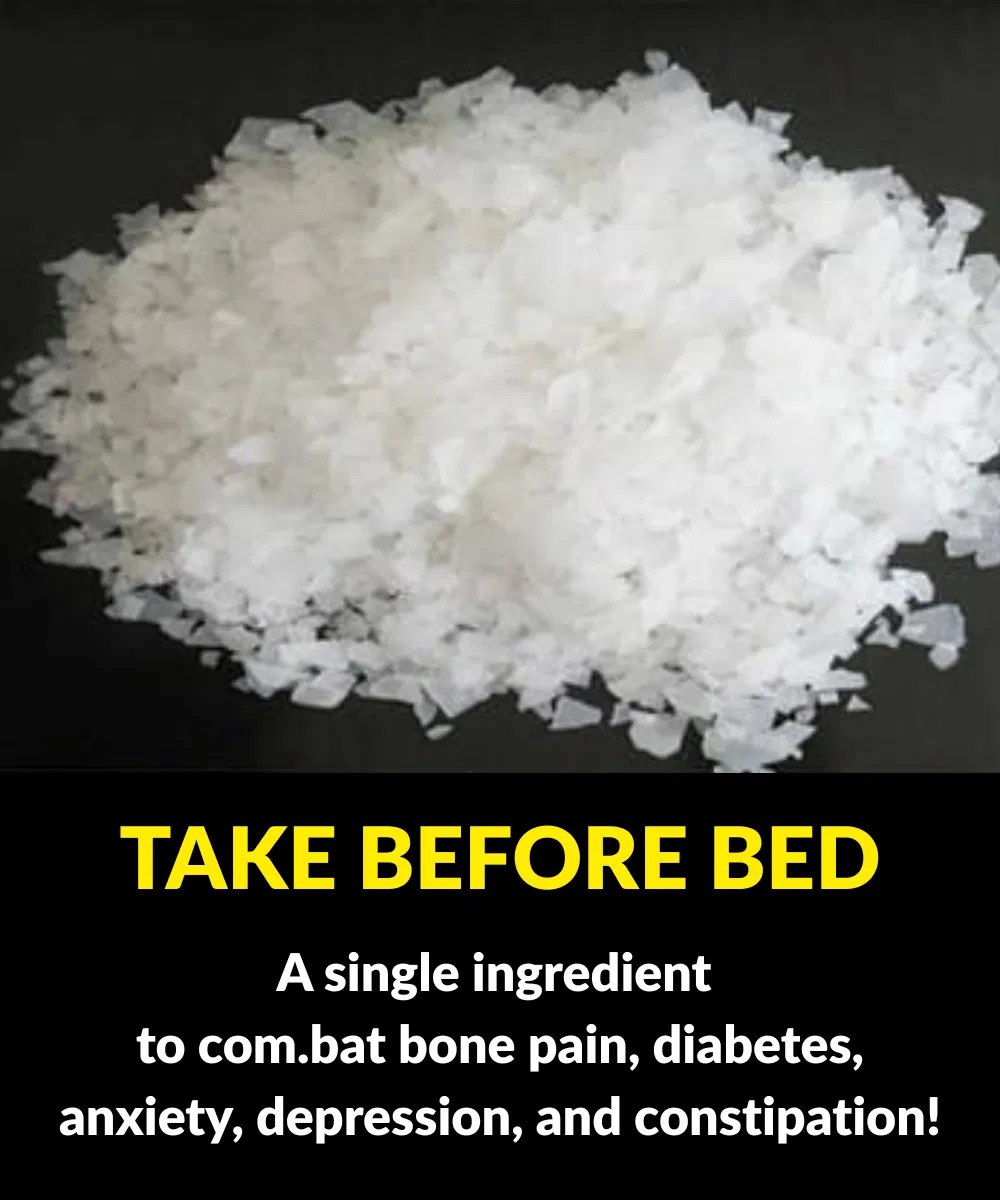
Magnesium is an essential mineral involved in over 300 enzymatic reactions in the human body. It plays a crucial role in maintaining healthy muscles, nerves, bones, and the immune system.
This article explores how magnesium can help relieve bone pain, manage diabetes, reduce anxiety and depression, and ease constipation, along with how to use it properly for each condition.
1. Bone Pain and Osteoporosis
Magnesium contributes to bone mineralization and helps regulate calcium levels—both essential for strong and healthy bones. Magnesium deficiency can impair bone density and increase the risk of fractures and chronic bone pain.

How to Use Magnesium for Bone Health:
- Recommended Form: Magnesium citrate or glycinate for better absorption.
- Dosage: 300–400 mg/day for adults, preferably taken with vitamin D and calcium.
- Diet Tips: Include leafy greens (spinach, Swiss chard), nuts (almonds, cashews), and seeds (pumpkin, sunflower).
- Tip: Avoid high doses of calcium without magnesium, as it may lead to calcium buildup in soft tissues and joints.
2. Diabetes and Blood Sugar Control
Magnesium plays a key role in glucose metabolism and insulin sensitivity. Several studies have shown that individuals with low magnesium levels are at a higher risk of developing type 2 diabetes.

How to Use Magnesium for Diabetes:
- Recommended Form: Magnesium chloride or magnesium taurate (taurine also benefits insulin regulation).
- Dosage: 250–350 mg/day, ideally after meals to reduce glucose spikes.
- Diet Tips: Add whole grains (quinoa, brown rice), beans (black beans, lentils), and dark chocolate to your diet.
- Note: Always consult your doctor if you are on blood sugar medications to avoid hypoglycemia.
3. Anxiety and Depression
Magnesium helps regulate neurotransmitters such as serotonin and GABA, both of which affect mood and mental well-being. Deficiency in magnesium is linked to higher levels of stress, irritability, and even clinical depression.

How to Use Magnesium for Mental Health:
- Recommended Form: Magnesium threonate (crosses the blood-brain barrier effectively).
- Dosage: 200–400 mg/day, preferably taken in the evening to support relaxation and sleep.
- Lifestyle Tips: Combine with mindfulness or breathing exercises to enhance calming effects.
- Important: Avoid caffeine and alcohol excess, which can deplete magnesium.
4. Constipation and Digestive Issues
Magnesium acts as an osmotic laxative by pulling water into the intestines, which softens stools and promotes bowel movements. It also relaxes the muscles of the digestive tract, helping relieve constipation naturally.
How to Use Magnesium for Constipation:
- Recommended Form: Magnesium oxide or magnesium citrate.
- Dosage: 400–500 mg at night, only as needed. Start with a smaller dose to test tolerance.
- Caution: Do not use magnesium laxatives for more than a few days consecutively without medical supervision.
- Diet Tips: Stay hydrated and consume fiber-rich foods like oats, vegetables, and prunes.

How to Know if You Are Magnesium Deficient
Common symptoms of magnesium deficiency include:
- Muscle cramps or spasms
- Fatigue or low energy
- Headaches or migraines
- Insomnia
- Tingling or numbness
- Anxiety or mood swings
- Irregular heartbeat
If you experience multiple symptoms, a simple blood test can confirm low magnesium levels.
Precautions and Final Tips

- Always choose high-quality magnesium supplements free from unnecessary fillers.
- Consult a healthcare provider before starting any supplement, especially if you are pregnant, nursing, or taking medications.
- Too much magnesium, especially in supplement form, can cause side effects such as diarrhea, nausea, and abdominal cramps.
- Natural food sources are always the best first step.
Conclusion
Magnesium is truly a powerhouse mineral. With just one natural ingredient, you can support your bones, balance your blood sugar, improve your mood, reduce anxiety, and promote healthy digestion. Incorporating magnesium into your daily routine—whether through food or carefully selected supplements—can have lasting effects on your overall health and quality of life.
Comments
Post a Comment