Having Striped Nails Could Mean That Your Body is…. See more
Having Striped Nails Could Mean That Your Body is…. See more
Striped Nails: What They Could Reveal About Your Health
Nails often serve as windows into our overall health. While they are primarily composed of keratin, a protein that also makes up our hair, nails can display visible changes that point to underlying health conditions. One such phenomenon is the appearance of stripes or lines on the nails. These stripes, medically referred to as nail ridges or discolorations, might seem harmless at first glance, but they can sometimes indicate significant health concerns. In this article, we will explore the types of striped nails, their potential causes, and what they might mean for your body.
Types of Striped Nails
Striped nails can manifest in several ways, including:
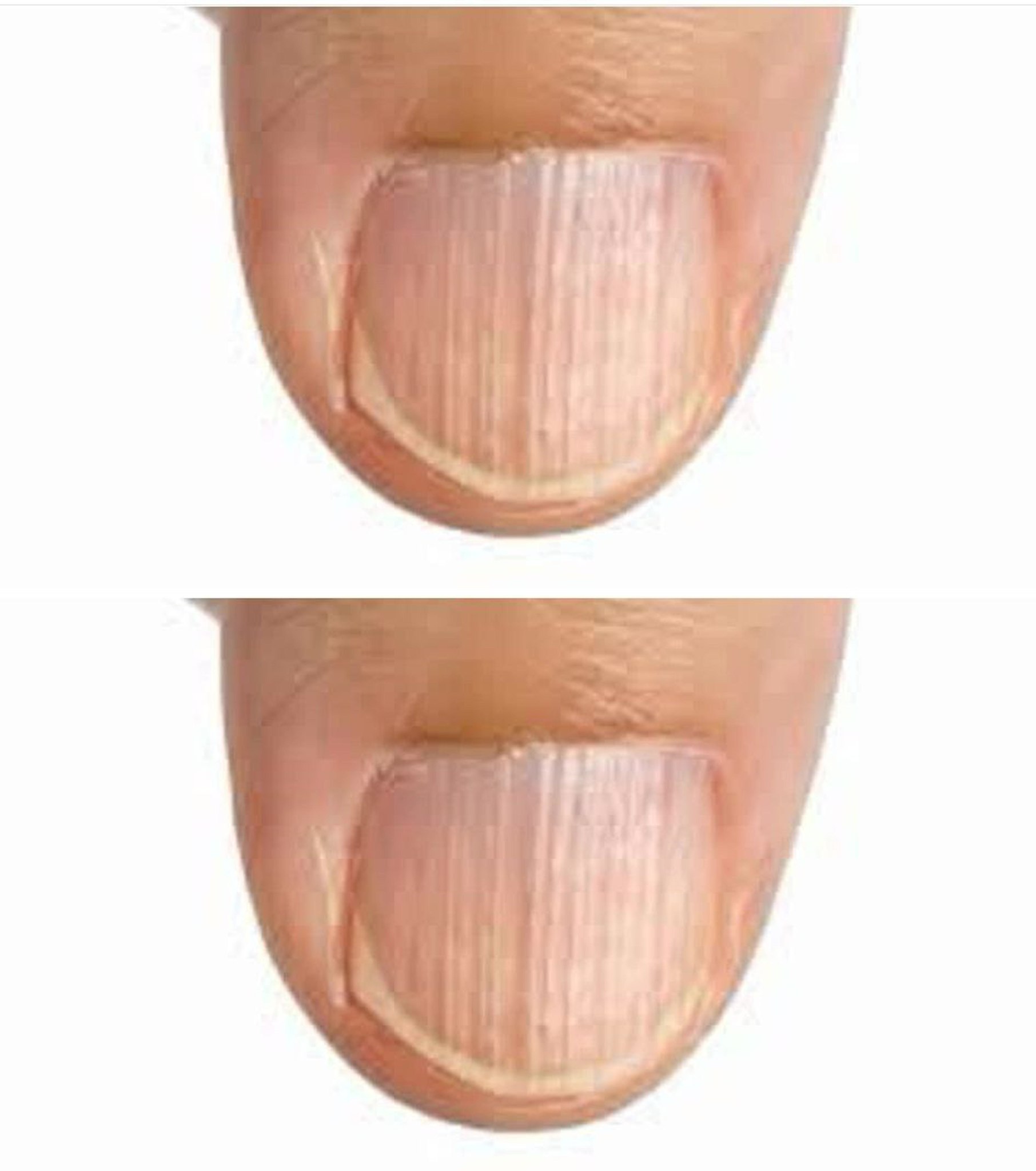
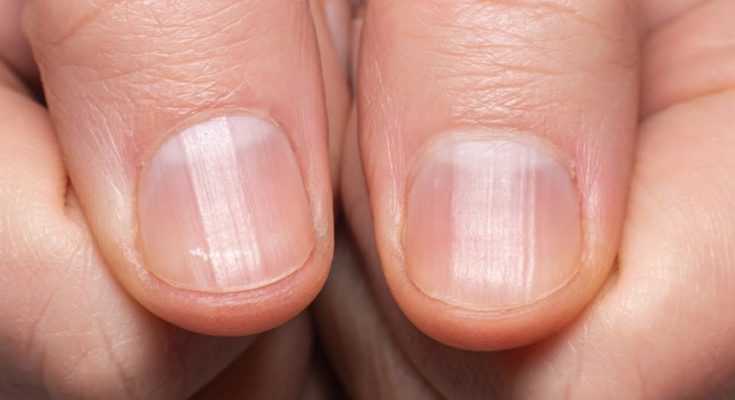
- Vertical Ridges (Longitudinal Striations): These are thin, raised lines that run from the cuticle to the tip of the nail. They are common and often associated with aging.
- Horizontal Ridges (Beau’s Lines): These are depressions that run across the width of the nail. They may indicate a disruption in nail growth.
- Discolored Stripes: These can range from white to dark brown or black and might appear as a single stripe or multiple bands.
- Muehrcke’s Lines: These are white, paired lines that do not move as the nail grows. They can be a sign of specific health conditions.
Understanding the type of stripe on your nails is the first step in identifying potential causes.
Causes of Striped Nails
Striped nails can result from various factors, ranging from benign to serious. Below are some common causes:
1. Aging
Vertical ridges are often a natural part of aging. As we grow older, the body produces less oil and moisture, which can affect nail health. These ridges are usually harmless and do not require medical attention.
2. Nutritional Deficiencies
The appearance of stripes, especially discolored ones, may signal a lack of essential nutrients such as:
- Iron: A deficiency can lead to spoon-shaped nails (koilonychia) and vertical ridges.
- Zinc: Insufficient zinc levels can result in white spots or streaks.
- Protein: Muehrcke’s lines might indicate low protein levels.
Ensuring a balanced diet rich in vitamins and minerals can help maintain healthy nails.
3. Trauma
Injury to the nail bed or matrix can cause temporary discoloration or ridges. For instance, Beau’s lines often appear following physical trauma, surgery, or severe illness.
4. Systemic Health Conditions
Striped nails can sometimes be early indicators of systemic health problems, including:
- Kidney Disease: Muehrcke’s lines or half-and-half nails (a white portion near the cuticle and a darker area near the tip) might signal kidney issues.
- Liver Problems: White nails with pink or red stripes can be a symptom of liver disease.
- Cardiovascular Issues: Dark lines or splinter hemorrhages may indicate heart-related concerns.
5. Fungal Infections
Fungal infections can cause discoloration and thickening of the nails. Brown or yellow stripes are common signs of fungal nail infections.
6. Melanonychia
Dark, pigmented bands on the nails, known as melanonychia, can be benign but may also indicate melanoma, a form of skin cancer. If you notice dark stripes, especially if they are new or changing, consult a dermatologist promptly.
7. Medications
Certain medications, such as chemotherapy drugs, can cause changes in nail appearance. These effects are usually temporary and resolve once the treatment is completed.
Diagnosing Striped Nails
If you notice unusual stripes on your nails, it’s essential to consult a healthcare provider for an accurate diagnosis. Here are some steps typically involved in the evaluation:
- Medical History: Your doctor will ask about your health history, medications, and any recent illnesses or trauma.
- Physical Examination: They will examine your nails closely and may check other parts of your body for related symptoms.
- Laboratory Tests: Blood tests might be conducted to check for nutritional deficiencies or systemic conditions.
- Biopsy: In cases of melanonychia, a biopsy may be performed to rule out melanoma.
Preventing Nail Stripes
While some causes of striped nails are beyond your control, such as aging or genetic predisposition, others can be mitigated through proactive measures:
- Maintain a Balanced Diet: Include foods rich in vitamins, minerals, and proteins to support nail health.
- Practice Nail Hygiene: Keep nails clean, trimmed, and moisturized.
- Avoid Nail Trauma: Be gentle with your nails and avoid biting them.
- Monitor Medication Side Effects: Inform your doctor about any changes in nail appearance during treatment.
- Regular Checkups: Visit a healthcare provider regularly to catch potential health issues early.
When to Seek Medical Attention
While striped nails are often harmless, certain signs warrant medical attention:
- Sudden Appearance: If stripes appear suddenly without an apparent cause.
- Dark Stripes: Especially if they are uneven, widening, or associated with pain.
- Additional Symptoms: Such as fatigue, weight loss, or changes in skin or hair.
Conclusion
Your nails can be a vital clue to your overall health, and paying attention to changes like stripes can help you catch potential issues early. While some causes of striped nails are benign, others may require medical intervention. By staying vigilant and maintaining a healthy lifestyle, you can ensure both your nails and your body remain in optimal condition. If in doubt, consult a healthcare professional to assess your nail health and provide appropriate guidance.
Comments