Heal Early Cavities Naturally: 6 Powerful Tips to Protect Your Smile
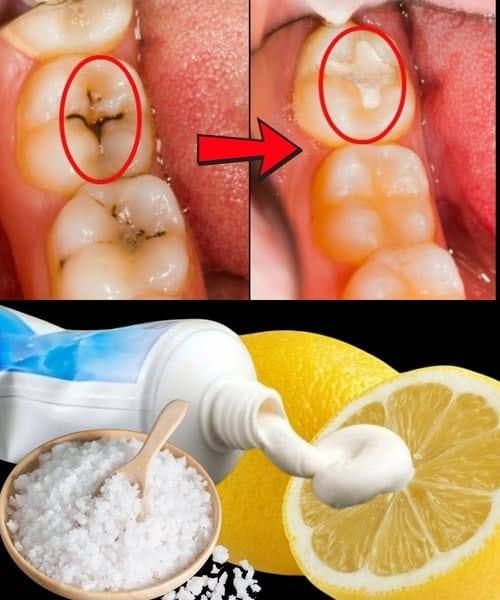

This guide presents 6 expert-backed, natural ways to support your oral health, promote remineralization, and help prevent cavities—without relying on harsh chemicals or invasive procedures.
1. Support Enamel with Key Nutrients
Your diet plays a critical role in maintaining strong teeth and reversing early demineralization. Certain nutrients are essential for tooth enamel health:
- Calcium – Critical for tooth structure; abundant in dairy products, dark leafy greens, and almonds.
- Vitamin D – Helps your body absorb calcium effectively. Found in sunlight, fatty fish (like salmon), and egg yolks.
- Magnesium – Important for enamel integrity. Present in foods like spinach, pumpkin seeds, and legumes.
- Phosphorus – Works alongside calcium to rebuild enamel. Found in fish, meat, eggs, and whole grains.
Fact: The National Institutes of Health (NIH) highlights these minerals as foundational for maintaining dental and bone health.
Source: NIH Office of Dietary Supplements
Foods to Avoid:
- Sugary snacks and beverages – Feed harmful oral bacteria and increase acid production
- Acidic drinks (e.g., citrus juices, sodas) – Weaken enamel over time
- Highly processed foods – Often lack essential nutrients and contain additives that disrupt oral pH

2. Practice Oil Pulling for Oral Microbiome Balance
Oil pulling, a traditional practice originating from Ayurvedic medicine, has gained modern attention for its role in oral hygiene.
How It Works:
Swishing oil—typically coconut oil—in the mouth may help reduce oral bacteria and plaque.
Recommended Method:
- Take 1 tablespoon of coconut oil
- Swish gently for 10–15 minutes (avoid swallowing)
- Spit into a trash can (not sink, as oil can clog drains)
- Rinse with warm water and brush teeth afterward
Scientific Insight: A 2017 study published in the Journal of Traditional and Complementary Medicine found that oil pulling may reduce oral microorganisms when used alongside brushing.
Source: PubMed

3. Switch to a Remineralizing Toothpaste
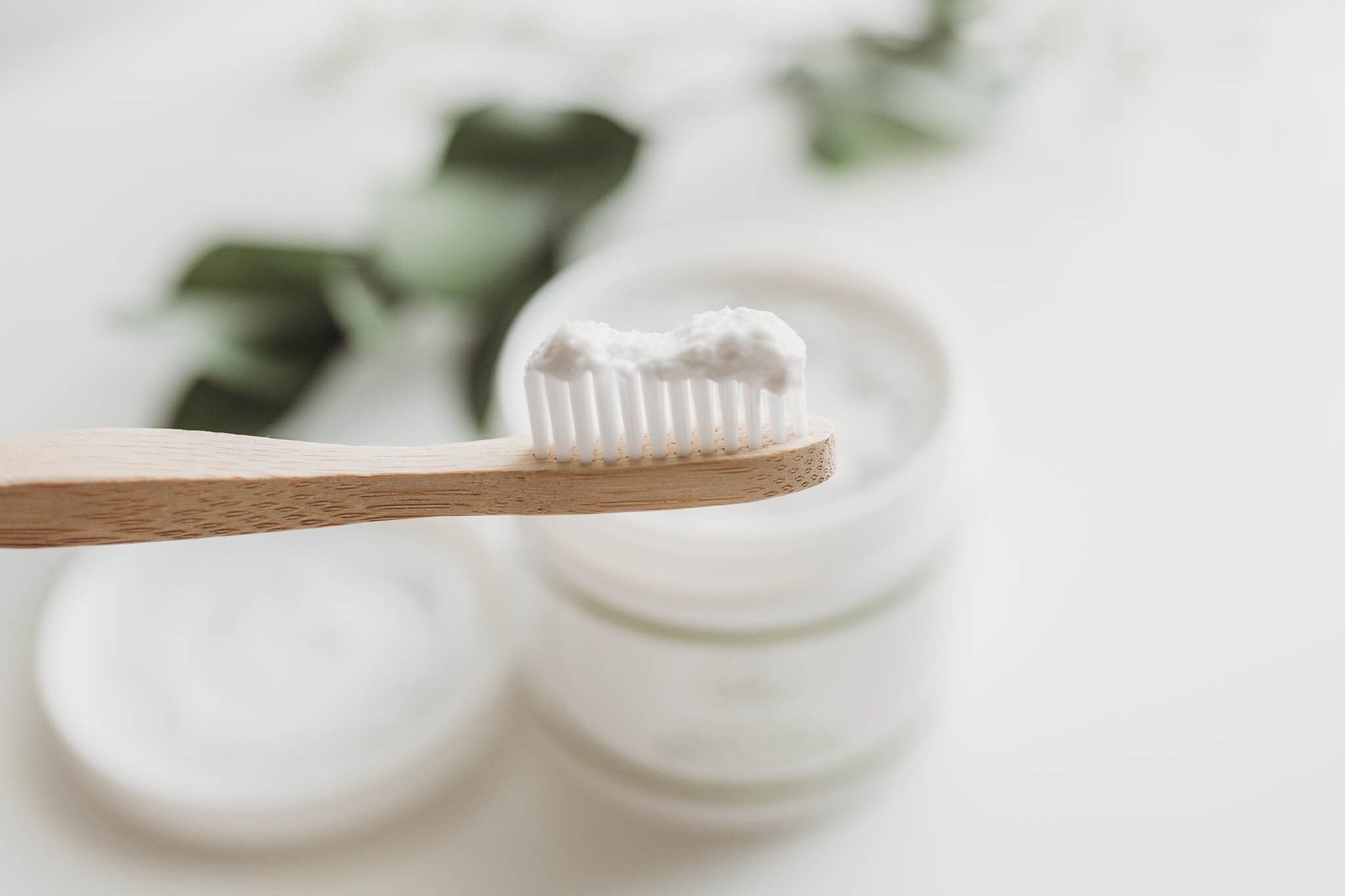
Many commercial toothpastes contain fluoride, which is effective in preventing cavities. However, natural alternatives like hydroxyapatite are emerging as fluoride-free remineralizing agents supported by clinical research.
Ingredients to Look For:
- Hydroxyapatite – A bioavailable form of calcium that mimics natural tooth enamel
- Calcium carbonate – Gently polishes and helps neutralize acid
- Baking soda (sodium bicarbonate) – Cleans teeth and balances pH
Study Support: A 2019 randomized trial published in BDJ Open concluded that hydroxyapatite toothpaste is comparably effective to fluoride in reducing early enamel lesions.
Source: Nature Journal – BDJ Open
4. Use a Homemade Mineral Mouth Rinse
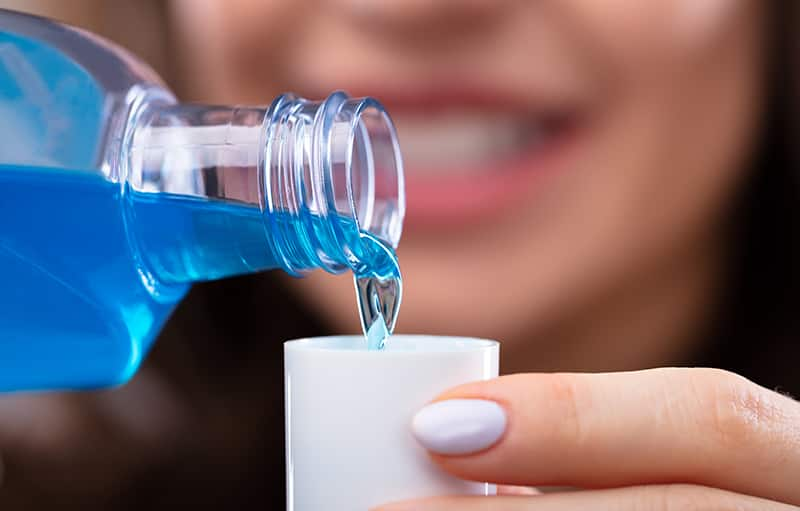
Conventional mouthwashes often contain alcohol, which can dry out the mouth and disrupt your oral microbiome. Instead, a gentle, mineral-rich rinse can support enamel health and freshen breath naturally.
DIY Recipe:
- ½ teaspoon of sea salt – Rich in trace minerals
- ½ teaspoon of baking soda – Neutralizes oral acidity
- 1 cup of warm filtered water
- Optional: A few drops of clove oil or peppermint oil for antimicrobial properties
How to Use:
Swish for 30 seconds, spit, and avoid eating or drinking for 30 minutes.
Tip: Always consult a dental professional before introducing new products, especially essential oils, into your routine.
5. Explore Herbal Support for Oral Health
Certain herbs and natural extracts have been studied for their oral health benefits, particularly for their antibacterial and anti-inflammatory properties.
Notable Natural Aids:
- Clove oil – Contains eugenol, which has antimicrobial and analgesic effects
- Neem – Traditionally used in Indian oral care for gum support
- Licorice root – Shown to reduce plaque and bacterial growth in some clinical studies
Clinical Data: A review in Phytotherapy Research supports the use of clove and neem for managing oral bacteria.
Source: Wiley Online Library
Application:
Always dilute essential oils with a carrier oil (like olive or coconut oil) and apply sparingly to gums or teeth using a clean cotton swab.
6. Boost Saliva for Natural Protection
Saliva is one of the body’s first lines of defense against tooth decay. It neutralizes acids, delivers minerals to teeth, and washes away food particles and bacteria.
Ways to Encourage Saliva Production:
- Drink plenty of water throughout the day
- Chew xylitol-based sugar-free gum to stimulate saliva
- Avoid smoking and alcohol, which contribute to dry mouth
Dental Association Insight: The ADA emphasizes saliva’s role in preventing cavities and supporting oral health.
Source: American Dental Association
Final Thoughts: Prevention Is Key
While early-stage tooth decay can often be reversed with dietary and hygiene changes, moderate to advanced cavities require professional dental care. That’s why daily prevention is your most powerful tool.
By focusing on natural, evidence-backed strategies, you can support enamel regeneration, reduce harmful bacteria, and protect your smile for the long term.
Sources and Further Reading:
- American Dental Association – Oral Health Topics
- NIH – Office of Dietary Supplements
- BDJ Open – Hydroxyapatite vs. Fluoride
- PubMed – Oil Pulling Study
- Wiley Online Library – Herbal Dentistry
Comments
Post a Comment