Hospital Workers Laughed at My Biker Dad as He Lay Dy.ing
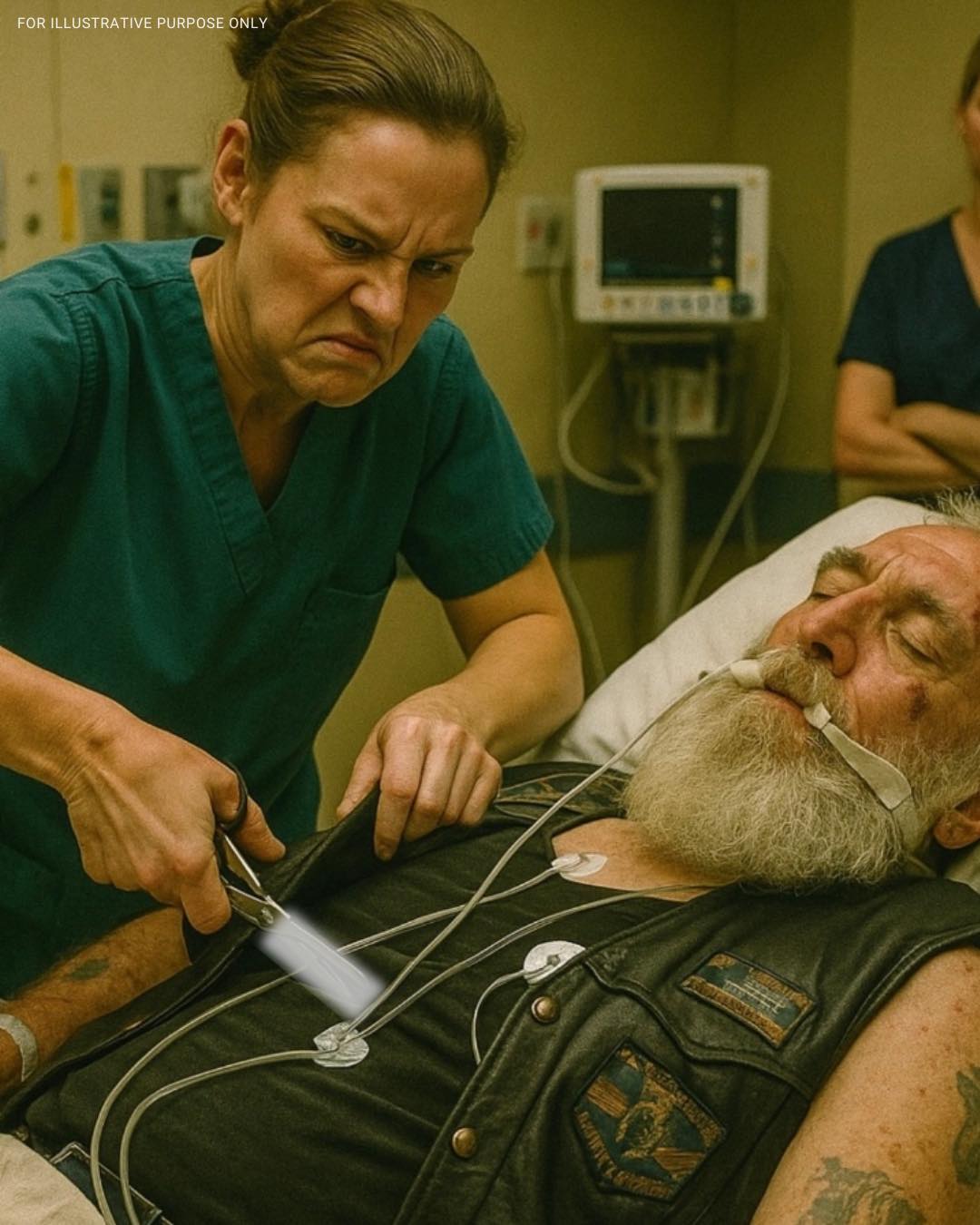
When my 68-year-old father had a massive stroke while riding his Harley, the hospital staff responded with cold indifference. As they wheeled him in, I overheard the ER doctor mutter, “Another organ donor who thought he was invincible,” not realizing I was close enough to hear.
He lay unconscious, his weathered leather vest covered in patches from two military tours, silver hair matted with blood. The nurses exchanged looks, visibly judging his tattoos and the scent of engine oil as they cut away his vest.
But when they discovered a faded photo of me—his daughter in a law school graduation gown—their demeanor shifted. The contempt faded into awkward surprise.
Still, the damage was done. They had reduced him to a stereotype before even trying to save him.
What they didn’t know: my father was en route to his weekly volunteer shift at the children’s hospital, where for ten years he’d read to kids in the cancer ward.
They didn’t see the medals he’d earned in combat or the charity he started that raised millions for veterans with PTSD. They only saw a grizzled old biker, a statistic.
That night, watching machines keep the strongest man I knew alive, I made two promises: my father would get the care he deserved—and when he recovered, this hospital would regret how they treated him.
I had no idea those promises would uncover a pattern of bias and negligence. Or that it would force me to confront my own shame about his lifestyle.
The next morning, dressed in my sharpest suit, I returned ready to raise hell. But I found Dad awake, scribbling furiously on a notepad. He pushed it toward me. It read: “CHECK ON KATIE.”
“Who’s Katie?” I asked.
He wrote: “NEW GIRL. CANCER WARD. SCARED. PROMISED I’D BE THERE.”
Even barely clinging to life, his first thought was of a sick child. That’s when I knew exactly what to do: show this hospital who “Road Dog” Johnson really was—beneath the leather and the labels.
The crash happened when Dad swerved to avoid a reckless driver, laying the bike down rather than hit the car. The guardrail impact caused the stroke, but the helmet I’d given him saved his life.
Dr. Mercer, the neurologist, briefed me clinically: swelling, possible long-term deficits. I pushed for full updates and access to all records. Then he noted cannabis in Dad’s system, implying irresponsibility.
“It’s prescribed medical marijuana,” I replied sharply. “For his service-related PTSD. You’d know that if anyone had read his chart.”
When I explained Dad’s background—decorated combat medic, long-time children’s hospital volunteer, and father to a malpractice attorney—Dr. Mercer promised closer attention. He didn’t need to know I hadn’t practiced malpractice law in years.
Back in Dad’s room, I spoke with Nurse Patel about Katie. When I mentioned my father’s volunteer work, something in her softened. “That’s… unexpected,” she said.
“People aren’t always what they seem,” I replied. “Just like I’m sure there’s more to you than your scrubs and name tag.”
She nodded. “He’ll get excellent care, Ms. Johnson.”
Sitting beside my dad, I took in his scarred hands, his bracelet honoring a fallen comrade, his weathered face—one that had seen war, hardship, and joy.
He had raised me alone after Mom died, riding cross-country with me on the back of his bike. I’d once been embarrassed by him, asking him to park down the block when picking me up. But he never made me feel guilty. Just kept being himself—kind, fierce, and honest.
Now I felt a fierce need to defend him.
I called Children’s Memorial. The woman on the line brightened at the mention of “Road Dog,” and when I explained what happened, she immediately offered to rally the kids to send get-well cards. He was loved, she said. Special.
Next, I called Jake Martinez—Dad’s best friend and co-founder of the Veterans Motorcycle Association.
“I’ve got some ideas,” I said.
“Whatever you need,” Jake replied. “You’re definitely his daughter.”
By the afternoon, the change had begun. The staff had heard about Grandpa Road. A respiratory therapist chatted warmly. An orderly brought a motorcycle magazine and mentioned his own bike, offering a respectful nod to my dad.
Then the lobby called: a delivery had arrived—extensive, they said.
It was Katie. Seven years old, headscarf on, seated in a wheelchair and surrounded by handmade cards and posters. “Grandpa Road promised he’d be there today,” she said seriously. “He never breaks promises.”
She held up a small stuffed dog. “This is Brave. He gave it to me. But I think he needs it more right now.”
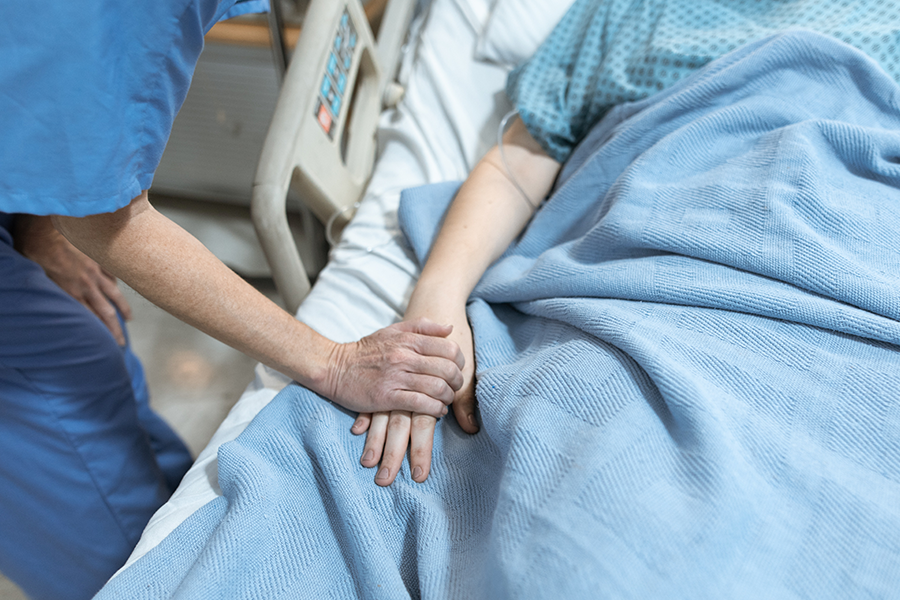
With staff approval, I wheeled her into the ICU. She gently told Dad about the messages, gave him Brave, and talked about her treatment. He listened closely, eyes filled with tears. Despite the tubes and machines, he managed a thumbs-up. When it was time to go, she handed him a CD with the kids’ recorded get-well messages.
Outside, nurses, techs, and even Dr. Mercer had gathered, watching in silence.
“We can set up a CD player,” one nurse offered.
That night, staff treated my father with new care. They spoke to him directly, explained procedures, repositioned Brave gently when he slipped from the bed. Cards and drawings decorated his walls—motorcycles, smiley kids, “Grandpa Road” in crayon.
I slept in the recliner beside him, proud and ready.
Phase one—reminding them of his humanity—was working.
Phase two? That would begin tomorrow.
Comments
Post a Comment