Why you shouldn’t leave a charger in an outlet when not in use
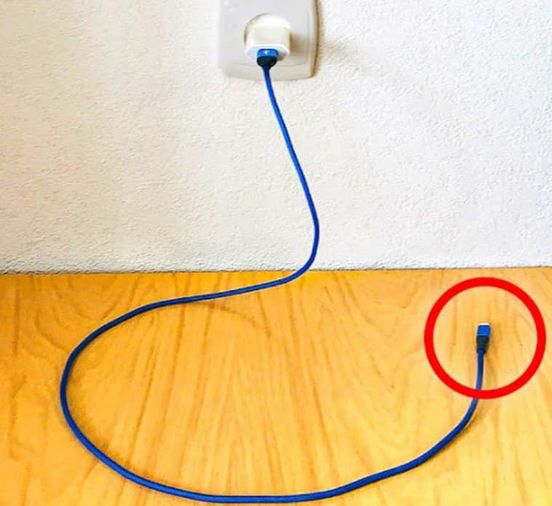
Why you shouldn’t leave a charger in an outlet when not in use
If you’re anything like me, you’ll have a whole host of bad habits you want to get rid of one day. They might not even be all that extreme – I mean, who doesn’t have something they’d like to change about themselves given the opportunity – but the point is that they exist, and that’s perfectly normal.
For some people it can be addiction that gets in the way of them cutting out that unwanted thing from their lives. Smoking, drinking, gambling, eating too much fast food… that sort of thing. Other habits, though, have their roots in, well, habitual behavior. That is to say that there’s nothing really stopping you from changing them, aside from perhaps laziness or absentmindedness.
I’ll give you a rather poignant example: I couldn’t seem to stop leaving my phone charger in the wall even when it wasn’t being used.
Now, I know what you’re thinking: how hard can it truly be to remove a charger from the wall when your mobile phone is done charging? And in all honesty the only answer is not at all hard.
Even so, I’ve lost count of the times my partner has tried to remind me to remove my charger from an outlet. Up until recently, I didn’t really think about it all that much (obviously… therein lies my problem). After all, what harm could it do to have the charger sitting in the outlet waiting to be used? None, right?
In actual fact that might not be technically true. This I was made aware of when I happened to stumble upon a social media post outlining the potential pitfalls of leaving chargers plugged into an outlet when they’re not actually charging anything.
Suffice it to say I changed my ways fairly quickly. Not only is my partner satisfied, but I kicked my ‘habit’ for concern of what might happen if I didn’t.
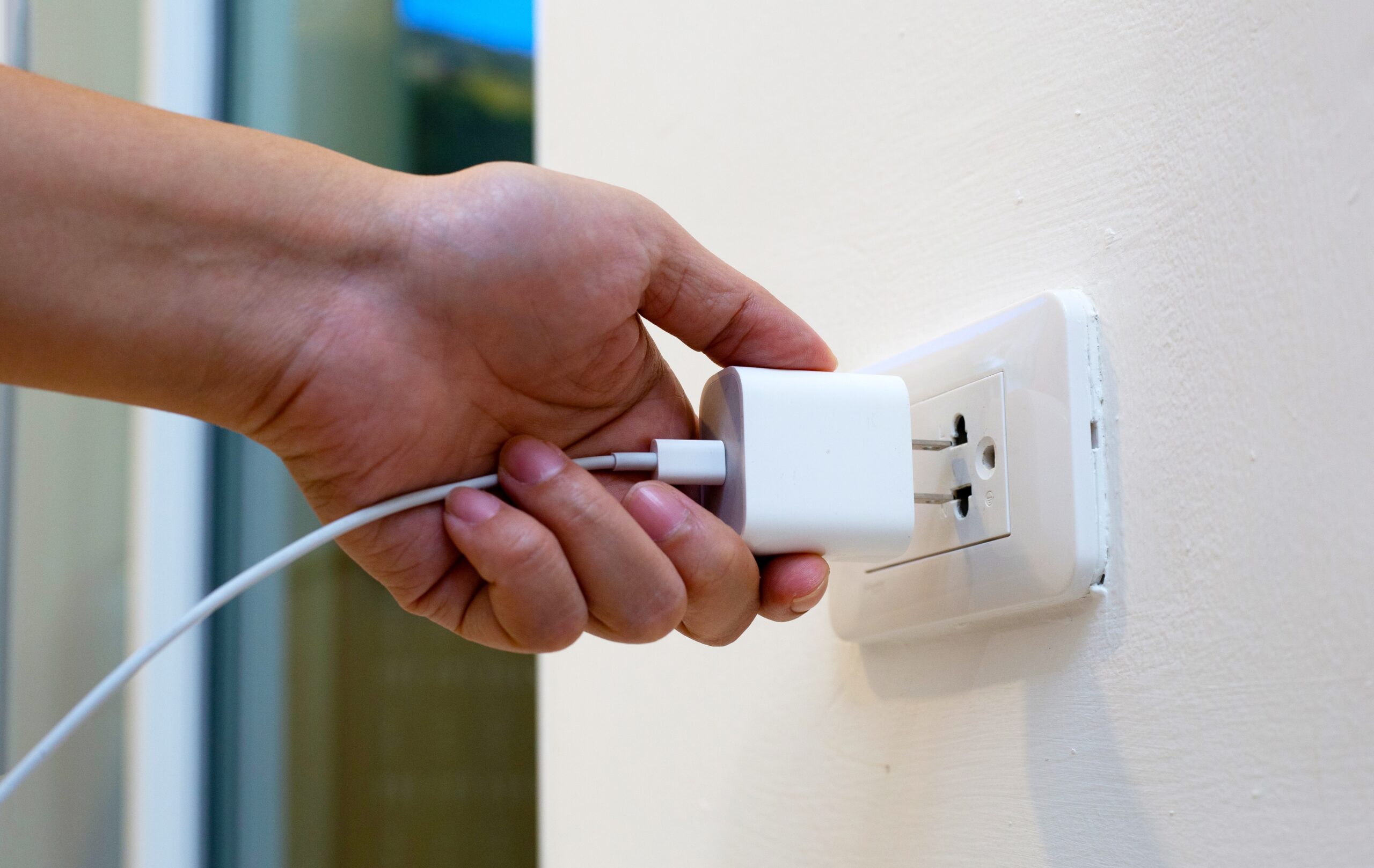
So, what can happen? Well, even in standby mode, a component within the charger will continue to take power. Sure, the power consumption is low, but it does still exist, meaning you are using electricity even when you’re not charging anything.
On top of that, leaving chargers constantly plugged into an outlet can accelerate the wear and tear of its internal components. Sudden voltage changes can result in extreme overheating, potentially causing the charger to smoke and – in an absolute worst case scenario – maybe even start a fire.
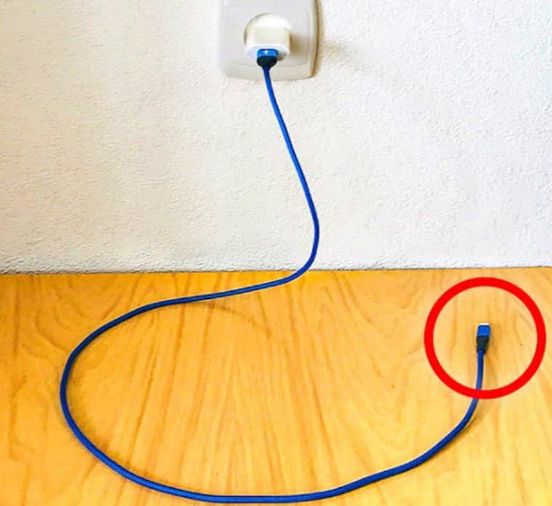
And that’s not to mention what can happen should the tip of the charger come into contact with water or something metal-based (thus making a full circuit).
Not only that, but if your home is like mine then you’ll have children or animals roaming around more often that not. Aside from the risk of them doing damage to the charger should they rip it from the wall, there’s also the possibility that they see it as some sort of toy, thus increasing the chance of them (children, I mean) becoming more curious about playing with the outlet itself.

Now… we want to make it clear that most of the information out there points to the fact that there is an extremely small risk (if at all) regarding your plugged-in charger causing a house fire.
On the contrary, modern safety checks and rules mean that it should be safe for you to leave your charger plugged in, although that doesn’t account for the problems outlined above, which you may also want to take into consideration.
Do you usually leave your charger plugged into the wall, even when it’s not being used? Let us know in the comments.
Comments
Post a Comment