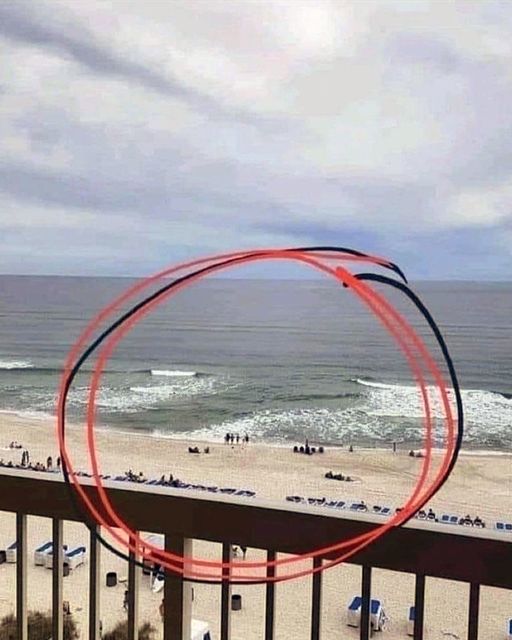
Avoid entering the sea if you notice currents forming like this

Summer is finally here in many parts of the world, bringing with it plenty of sunshine, ice cream, and refreshing swims. Yet while taking a dip in the ocean is truly something special, it’s crucial to have respect for Mother Nature.
When it comes to safety, knowledge is of the utmost importance. The more we understand about the ocean and its ways, the better equipped we are to avoid potential disasters.
Unfortunately, there’s still much work to be done, as every year we witness terrible examples of people overestimating their abilities, underestimating the unpredictable nature of the sea, and sometimes even being completely unaware of how dangerous it can be to venture into the waves.
With that said, the purpose of this article is not to frighten people unnecessarily. Instead, it serves as a tool to impart knowledge and make it safer for everyone to enjoy swimming this summer.
If you’re planning on swimming in the ocean, it’s important to know about the dangers, one them being rip currents.
They can be extremely frightening, exhausting, and deadly if you get caught in one – but there is a way to escape.
What causes a rip current?
If you’re planning a beach day, it’s vital to educate yourself on recognizing rip currents and knowing the proper steps to take if you find yourself caught in one.
A rip current is a powerful, concentrated, and narrow stream of water that flows directly away from the shoreline, effectively cutting through the lines of breaking waves.These powerful currents possess incredible force, and have the potential to carry even the most experienced and strongest swimmers far out to sea.
The development of rip currents typically occurs when various factors come together – including the interaction of waves, wind, and the specific shape of the beach.
Rip currents are more commonly observed on coastlines with a steep incline, where waves break close to the shore. When the waves break, they push water towards the coastline, creating a buildup that subsequently seeks a way to flow back out to the ocean.

How to spot a rip current
To an untrained eye, detecting a rip current can be extremely challenging. Personally, I had never even considered them until I began reading about them a few years ago.
However, there are several signs to be mindful of. Firstly, pay attention to the direction of the waves. Ideally, waves should be moving towards the beach, breaking near the shore with a frothy, white crest.
In contrast, a rip current may present itself as a seemingly tranquil stretch of water amidst the bustling coastline, creating a noticeable contrast with the surrounding area.
For those who are not well-acquainted with the ocean, a rip current can easily be misinterpreted as a calm and wave-free area – it may look like the perfect spot to enter the water. If you notice the water starting to split or the waves moving away from the shore, be sure to steer clear of that area. It’s crucial that nobody swims there, and if you see someone about to enter the water or areas that appear risky or associated with rip currents, kindly alert them.
What to do if you’re caught in a rip current
Though we’ve gone through the signs and warning signals of rip currents, it can still be incredibly difficult to detect them at times. Conditions of rip currents can undergo rapid changes, and the indications of danger may not always be readily apparent while standing on the beach or in the surf.
This is one of the reasons why we still witness so many cases with tragic outcomes, year after year. Sadly, multiple lives have been lost as untrained individuals, including well-meaning parents or good Samaritans, try to perform a rescue.
But remember, if you ever find yourself in a rip current, all hope is not lost – there are actions you can take to save your life and the lives of others.
1. First of all, maintaining a calm demeanor is crucial. Don’t panic, and remember that you won’t be sucked underwater.
2. Wave your arms to signal that you need help, and try to yell to people.
3. Remember to stay afloat and swim parallel to the shore.
4. A rip current will pull you out to sea, and fighting against it will do nothing but wear you out. If you’re not able to swim parallel to the shore, you can rest assured that the grip of the rip current will eventually release you. Just hold on and wait for trained professionals to come to your rescue.
5. If you can manage to break free from the current, you can swim back towards the safety of the shoreline. It’s important to remember that you don’t need to be an expert swimmer in order to escape a rip current successfully.
Summary
Now that summer is here, it is especially important to exercise caution when swimming. State websites provide valuable information on the current status of rip currents, such as Florida updating the conditions for its beaches.
By arming yourself with a little knowledge and taking appropriate precautions, you can enjoy a day at the beach without concern or worry.
Please share this article with everyone you know on social media to help us ensure that everyone is prepared when heading out for a swim in the ocean.
Comments
Post a Comment