BE CAREFUL, If you spot these dots on your skin, it means you have Can…Read more
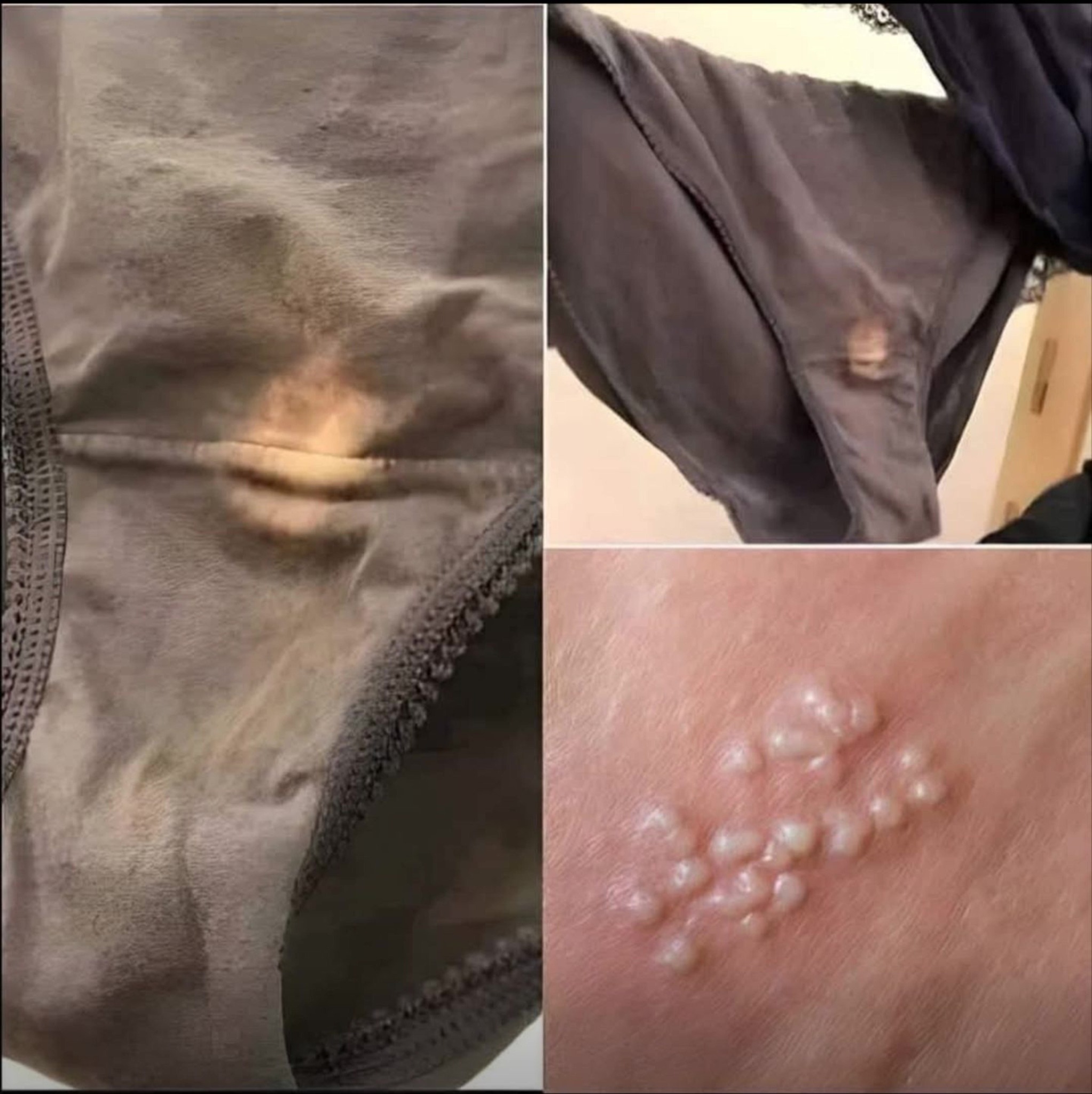
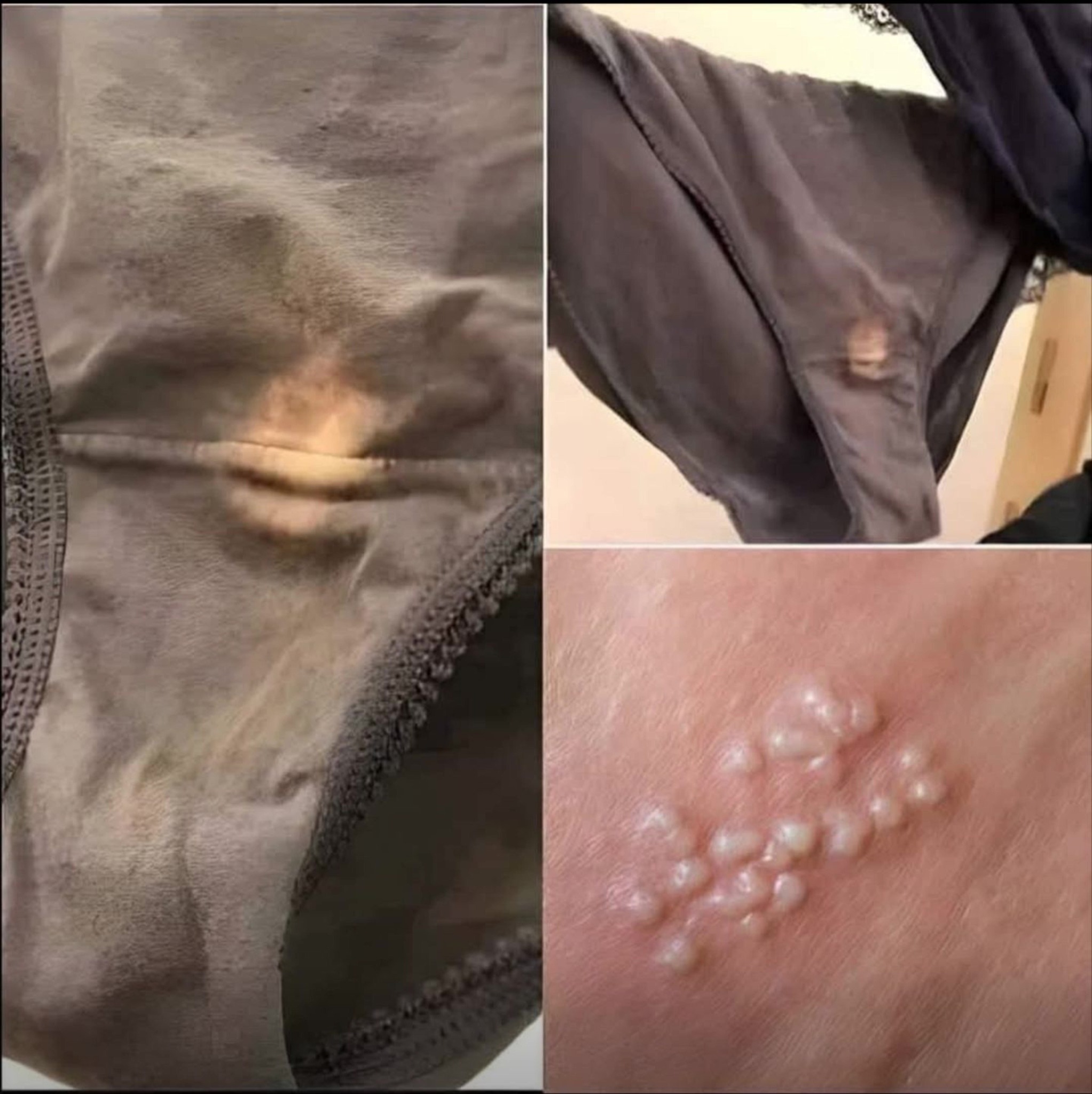
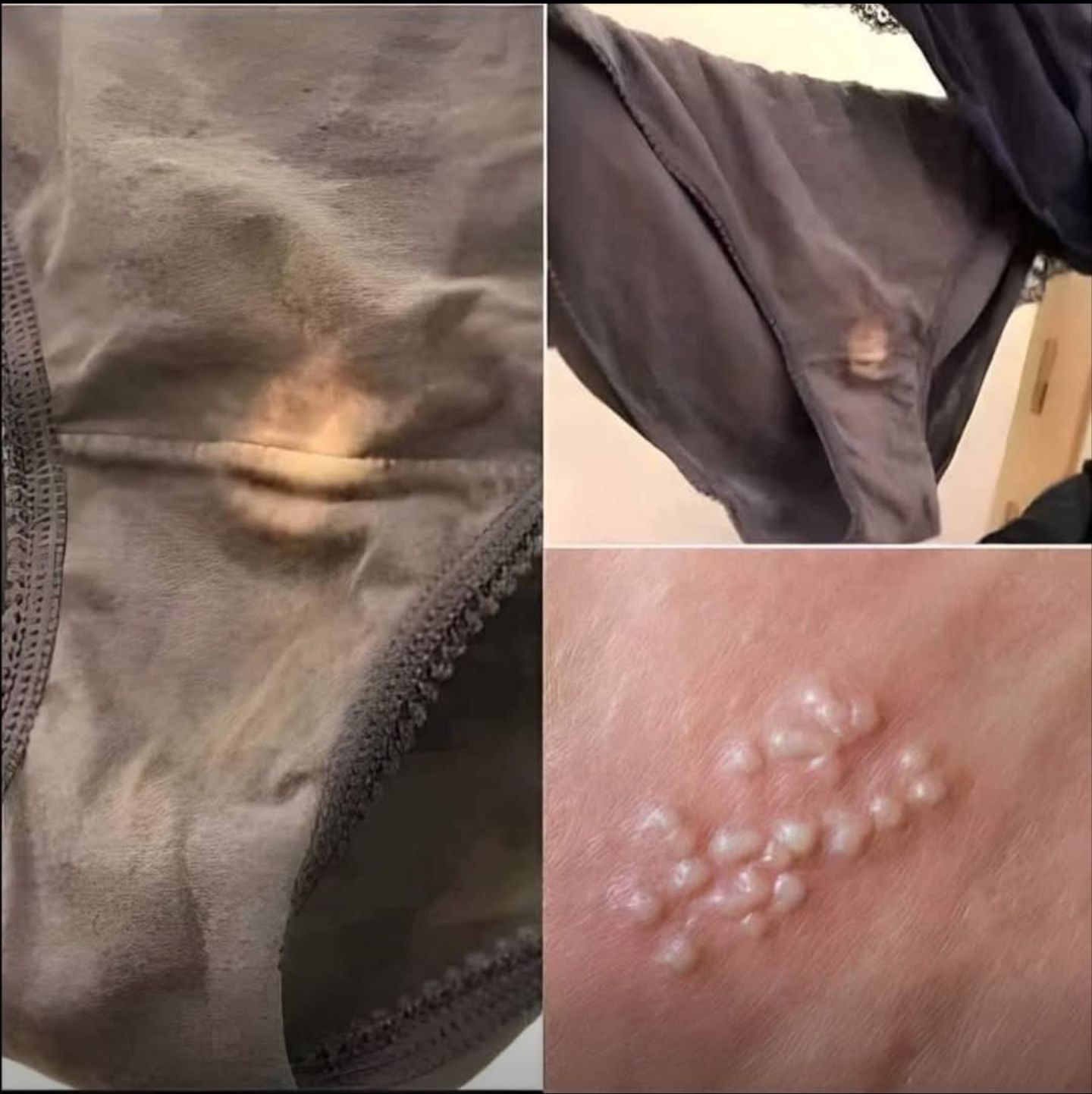
Be Careful: If You Spot These Dots on Your Skin, It Could Be a Sign of Cancer
Your skin is your body’s largest organ, and it often serves as the first line of defense against infections, environmental damage, and harmful UV rays. However, it can also act as an indicator of internal health problems. Among the many warning signs the skin can present, certain dots, spots, or discolorations should never be ignored. While some skin changes may be harmless, others can be a sign of something more serious, including skin cancer.
The Importance of Monitoring Your Skin
Early detection is key when it comes to skin cancer. Many people tend to overlook small changes in their skin, dismissing them as harmless blemishes. However, certain patterns, colors, or evolving marks could indicate the presence of a dangerous condition. One of the most alarming signs to watch for is the appearance of unusual dots, which could signal melanoma or other types of skin cancer.
What Kind of Dots Should You Be Concerned About?
While freckles and benign moles are common, certain spots require medical attention. The most concerning types of dots or lesions on the skin include:
1. Black or Dark Brown Dots with Irregular Borders
- These could indicate melanoma, the deadliest form of skin cancer.
- Unlike regular moles, melanoma spots tend to grow and change shape over time.
- They often have uneven color, combining shades of brown, black, red, or even blue.
2. Red or Pink Dots That Persist
- Basal cell carcinoma (BCC) and squamous cell carcinoma (SCC) often present as reddish, scaly patches or sores that don’t heal.
- These spots may appear shiny, crusted, or ulcerated.
- BCC and SCC are less aggressive than melanoma but still require prompt treatment to prevent further complications.
3. Clusters of Small Red or Purple Dots
- These may be signs of blood vessel issues or more serious conditions like leukemia or Kaposi’s sarcoma, a rare type of cancer often associated with weakened immune systems.
- If these dots appear suddenly and are accompanied by other symptoms such as fatigue or easy bruising, immediate medical consultation is necessary.
4. Dark Dots Under the Nails
- A small black or brown spot under a fingernail or toenail that does not grow out with the nail could be a sign of subungual melanoma.
- This type of melanoma is often mistaken for a bruise but does not fade over time.
- If you notice a persistent dark mark under your nail, consult a dermatologist.
The ABCDE Rule: A Guide to Spotting Skin Cancer
One of the most effective methods for identifying potentially cancerous spots is the ABCDE rule. This guideline helps differentiate between harmless moles and concerning skin changes:
- A – Asymmetry: If one half of the spot looks different from the other, it’s a warning sign.
- B – Border: Irregular, jagged, or blurred edges should be examined by a doctor.
- C – Color: Spots with multiple shades or unusual colors (blue, red, or white) may indicate cancer.
- D – Diameter: If the spot is larger than a pencil eraser (6mm), it should be checked.
- E – Evolution: Any change in size, shape, or color over time is a major red flag.
Risk Factors for Skin Cancer
Certain individuals are at a higher risk of developing skin cancer. Factors that increase susceptibility include:
- Excessive Sun Exposure: Prolonged exposure to UV rays without protection significantly raises skin cancer risk.
- Fair Skin: People with lighter skin tones, freckles, and light-colored eyes have less melanin to protect against UV damage.
- Family History: A history of melanoma or other skin cancers in the family increases personal risk.
- Weakened Immune System: Those with immune deficiencies or undergoing immunosuppressive treatments are more prone to developing skin cancer.
- History of Sunburns: Severe sunburns, especially in childhood, increase the risk of melanoma in adulthood.
What to Do If You Notice Suspicious Dots
If you observe any of the warning signs mentioned above, it’s important to act quickly:
- Schedule a Dermatologist Appointment: A skin specialist can perform a biopsy to determine whether the spot is cancerous.
- Avoid Self-Diagnosis: Many benign conditions mimic skin cancer. Only a professional can provide an accurate diagnosis.
- Practice Sun Protection: Use sunscreen with at least SPF 30, wear protective clothing, and avoid tanning beds.
- Perform Regular Skin Checks: Examine your skin monthly for new or changing moles or spots, especially in hard-to-see areas like the back and scalp.
Conclusion
Your skin’s health is vital, and being vigilant about changes in its appearance can be life-saving. If you notice unusual dots, marks, or moles that match the warning signs of skin cancer, don’t ignore them. Early detection and prompt treatment can prevent the progression of the disease and improve outcomes. When in doubt, always seek medical advice—because when it comes to skin cancer, caution is better than regret.
Comments
Post a Comment