
BE VERY CAREFUL 🚨. If you get this, you are infected with ….


BE VERY CAREFUL . If you get this, you are infected with ….

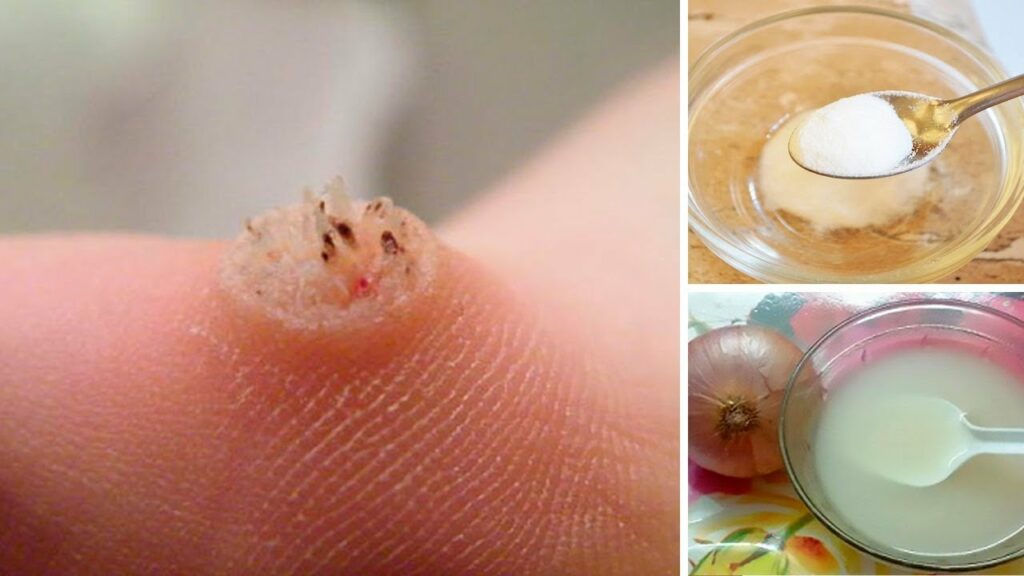
Getting rid of warts naturally involves a variety of home remedies that have been popularized over time due to their ease of use and the common nature of the ingredients. While scientific evidence supporting the efficacy of some of these methods is limited, many people find them effective. Here are several natural approaches to consider if you’re looking to remove warts at home:
1. Apple Cider Vinegar

  • How It Works: The acetic acid in apple cider vinegar is believed to help break down the tissue that forms the wart. It also has antiviral properties that can help combat the virus causing the wart.
  • Method: Soak a cotton ball in apple cider vinegar, apply it to the wart, and secure it with a bandage. Leave it on overnight and wash the area in the morning. Repeat daily until the wart starts to diminish.

2. Garlic

  • How It Works: Garlic has antiviral, antifungal, and antibacterial properties, which can be effective in wart removal.
  • Method: Crush a fresh garlic clove and apply it directly to the wart. Cover it with a bandage for a couple of hours each day before rinsing. Repeat daily for about two weeks.

3. Banana Peel

  • How It Works: Banana peel is said to contain enzymes that can help dissolve the wart.
  • Method: Rub a piece of banana peel (inner side) on the wart every night before going to bed. Secure it with a bandage and leave it overnight.

4. Tea Tree Oil

  • How It Works: Tea tree oil is renowned for its antiviral and antiseptic properties, making it a strong candidate for natural wart removal.
  • Method: Apply a drop of tea tree oil directly to the wart and cover with a bandage. Do this twice a day. Be cautious, as tea tree oil can be irritating to the skin; dilute with a carrier oil if necessary.

5. Aloe Vera

  • How It Works: Aloe vera contains malic acid, which can help burn away the tissue of the wart.
  • Method: Apply fresh aloe vera gel directly to the wart and cover it with a bandage. Reapply several times a day and continue daily until the wart fades.

6. Duct Tape

  • How It Works: Known as duct tape occlusion therapy, this method involves suffocating the wart.
  • Method: Place a small piece of duct tape over the wart and leave it on for six days, then soak the wart in water and gently rub it with an emery board or pumice stone. Repeat the process until the wart is gone.

Precautions and Tips:

  • Patience is Key: Natural remedies usually take time (weeks or even months) to show results.
  • Monitor Skin Reaction: Always be aware of how your skin reacts to a remedy. Discontinue use if severe irritation or an allergic reaction occurs.
  • Cleanliness: Keep the area clean and avoid picking at the wart to prevent spreading the virus.
  • Professional Advice: Consider consulting with a healthcare provider, especially for warts that are painful, large, or located on sensitive areas of the body.

While these natural methods can be effective for some, not all types of warts will respond to home treatment. If you don’t see improvement, or if the wart grows or spreads, it’s important to seek professional medical advice for more advanced treatments.

Comments

Popular posts from this blog

The devil waits at every crossroads: a walk between darkness and light on Dartmoor

  The devil waits at every crossroads: a walk between darkness and light on Dartmoor The new 38-mile Archangel’s Way, a pilgrimage route in a rugged corner of Devon, straddles Christendom and ancient pagan sites T he story of the church of St Michael de Rupe begins – as all the best Dartmoor stories do – on a dark and stormy night. A sailor, stricken in a wild and furious sea, fell to the deck of his ship to pray for salvation. The almighty unveiled a mountain in the midst of the tempest where the ship duly made landfall: in gratitude the sailor built a church on its summit. The devil – who had unleashed that evil storm – did his best to prise the church from its foundations, but Archangel Michael sprung to its defence and became the patron of this Devon parish. The tale has many versions, but this is the general gist. Today, St Michael de Rupe counts as the highest working church in southern England – poised dramatically on top of a western outlier of Dartmoor’s tor...

How to Make a DIY Carboard RC Plane (1-10)

  How to Make a DIY Carboard RC Plane Hello, fellow makers!👋  I'm excited to share my latest project with you—building a remote-controlled airplane from cardboard.✈️ As an RC enthusiast who loves drones and everything related to remote-controlled vehicles, I always wanted to create my own plane, but I was put off by the high costs and complexity of traditional materials. So, I decided to take a different approach and use readily available and affordable materials like cardboard. However, I was initially hesitant because I wasn't sure if a plane made of cardboard would actually fly. But after doing some research and putting my design skills to the test, I decided to go for it. 🛠️ In this instructable, I'll guide you through the process of building a sturdy and functional RC airplane using a cardboard fuselage and wings, along with a few 3D-printed parts and the electronics. This project was not only fun and educational but also incredibly rewarding. I learned a...

Did you know that if your ear hairs grow, it is because your body is

  Did you know that if your ear hairs grow, it is because your body is Ear hair growth is a natural part of aging for many people. As we get older, hormonal changes can lead to an increase in hair growth in certain areas, including the ears. This is often due to changes in testosterone levels, which can stimulate hair follicles in the ear. Additionally, genetics can play a role in how much ear hair a person develops. While some people may notice only a little hair growth, others might experience more significant growth. It’s a normal process, but if the hair becomes bothersome, there are grooming options available to manage it. It’s also interesting to note that some people might be more prone to this due to their family history. If you notice it becoming a bit much, there are safe ways to manage it, like trimming or using specialized grooming tools. Just make sure to be careful when doing so! Ear hair growth is a common phenomenon, especially as people age. Th...