Severe Constipation and Toxic Megacolon: Causes and Solutions
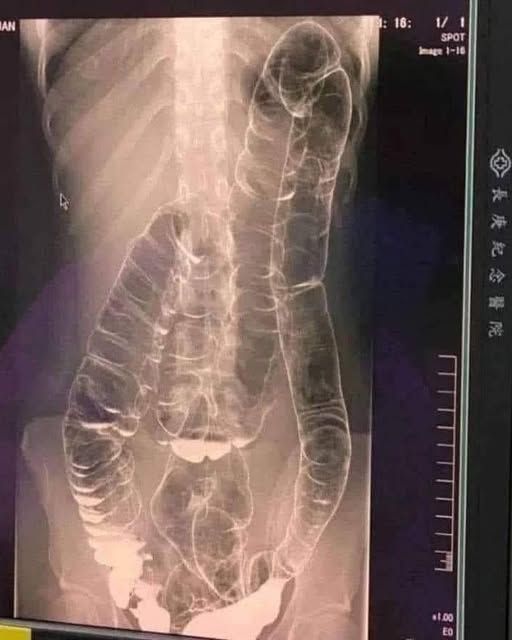
Constipation is a common digestive issue that affects millions of people worldwide. While it is often considered a minor inconvenience, prolonged or untreated constipation can lead to serious health concerns, including a rare but life-threatening condition known as toxic megacolon. This article explores the underlying causes, symptoms, complications, and effective lifestyle changes to manage and prevent chronic constipation in a safe and sustainable manner.
What Is Constipation?
Constipation is typically defined as having fewer than three bowel movements per week. However, it is not just the frequency that matters—constipation can also involve difficulty passing stools, hard or dry stools, and a sensation of incomplete evacuation. It may be short-term (acute) or persist for weeks or longer (chronic).
For most individuals, constipation is temporary and resolves with simple adjustments in diet, hydration, and activity. However, when left unmanaged over time, it can lead to more severe complications.

When Constipation Becomes a Serious Concern
In some rare cases, chronic constipation can evolve into a medical emergency. A condition known as toxic megacolon occurs when the colon becomes severely distended due to a prolonged buildup of stool and gas. The colon loses its natural ability to contract and move waste through the intestines, leading to bloating, intense discomfort, and in severe cases, systemic infection or tissue damage.
While toxic megacolon is more commonly associated with inflammatory bowel diseases like ulcerative colitis or Crohn’s disease, extreme cases of untreated constipation can also trigger similar symptoms.
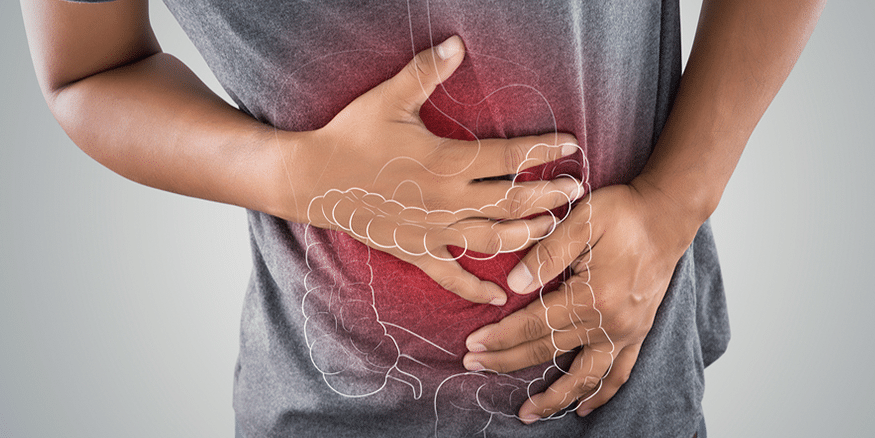
Health Risks Associated with Chronic Constipation
Ignoring constipation for an extended period can result in a range of health complications:
1. Colon Distension and Loss of Function
When stool accumulates, the colon stretches beyond its normal limits. Over time, this can weaken the muscular wall of the intestines and impair their ability to contract. The result is a cycle of worsening constipation and increased discomfort.
2. Toxin Reabsorption
As stool remains in the colon, harmful substances can be reabsorbed into the bloodstream. This may lead to symptoms such as fatigue, bad breath, bloating, and skin issues. The body’s detoxification pathways become burdened, affecting overall well-being.
3. Hemorrhoids and Anal Fissures
Straining during bowel movements can lead to swollen veins in the rectal area, commonly known as hemorrhoids. These can be painful and may bleed. Severe straining can also cause small tears around the anus, known as anal fissures, which are equally uncomfortable.
:max_bytes(150000):strip_icc()/constipation-GettyImages-1253815309-a364ba60502744759b0664d61e1648d5.jpg)
4. Fecal Impaction and Bowel Obstruction
If the colon becomes too full, fecal impaction can occur—meaning a hard mass of stool blocks the passageway. This may require manual removal or, in extreme cases, emergency surgery to avoid tissue damage or infection.
5. Increased Risk of Colorectal Conditions
Research suggests that long-term constipation may be associated with a higher risk of colorectal conditions, including polyps and in some cases, colorectal cancer, due to prolonged exposure of the colon to waste materials.
Recognizing the Signs of Severe Constipation
Understanding when to seek medical help is essential. Warning signs include:
- No bowel movement for more than one week
- Persistent bloating and abdominal pain
- Nausea or vomiting
- Visible swelling or distension of the abdomen
- Blood in the stool
- A sudden change in bowel habits without a clear cause
If any of these symptoms are present, consult a healthcare professional immediately.

Causes of Chronic Constipation
Several factors can contribute to long-term constipation, including:
- Low dietary fiber intake
- Dehydration
- Sedentary lifestyle
- Certain medications (e.g., opioids, antidepressants, calcium supplements)
- Underlying medical conditions (e.g., hypothyroidism, diabetes, irritable bowel syndrome)
- Stress and mental health disorders
Proven Lifestyle Changes to Relieve and Prevent Constipation
Fortunately, constipation is often manageable through non-invasive, natural interventions. Here are some evidence-based strategies:
1. Increase Fiber Intake
Dietary fiber adds bulk to stool and helps it pass more easily. Adults should aim for 25–35 grams of fiber daily. High-fiber foods include:
- Whole grains (oats, brown rice, quinoa)
- Fruits (apples, pears, berries)
- Vegetables (broccoli, spinach, carrots)
- Legumes (beans, lentils, chickpeas)
- Seeds (chia, flaxseed)

2. Stay Hydrated
Water helps soften stool and supports digestive health. Aim for at least 8–10 cups of water per day. Herbal teas or warm lemon water in the morning can also support regular bowel movements.
3. Exercise Regularly
Physical activity stimulates the muscles of the gastrointestinal tract. Even moderate activities like brisk walking, cycling, or yoga for 20–30 minutes a day can improve digestive function.
4. Establish a Bathroom Routine
Listen to your body’s natural urges. Avoid delaying bathroom visits, as this can worsen constipation. Setting a consistent time—such as after breakfast—can help train your body to move regularly.
5. Limit Processed and Low-Fiber Foods
Reduce intake of:
- Red meats
- Fried foods
- Dairy products (for some individuals)
- Refined grains and pastries
- Excessive caffeine or alcohol
These foods can slow down digestion and contribute to hard stools.

Natural Remedies That May Support Digestion
Certain natural remedies can offer gentle relief from occasional constipation:
- Magnesium supplements: Help relax intestinal muscles and draw water into the colon.
- Probiotics: Improve gut flora and support regularity.
- Aloe vera juice: Can have a mild laxative effect (consult a doctor before use).
- Herbal teas: Peppermint, ginger, and fennel are known to aid digestion and reduce bloating.
When to Seek Medical Help
If constipation becomes a persistent issue or is accompanied by more serious symptoms (e.g., intense abdominal pain, vomiting, blood in stool), it’s essential to speak with a healthcare provider. Long-term solutions may include prescription medications, further testing, or in rare cases, surgical intervention.
Conclusion: Listen to Your Body, Act Early
Constipation, while common, should never be ignored—especially when symptoms become severe or long-lasting. By recognizing early warning signs and implementing healthy daily habits, individuals can greatly reduce their risk of complications. Prevention through a balanced diet, hydration, physical movement, and mindfulness around digestion can make a powerful difference.
Maintaining good digestive health is not just about comfort—it is a foundational pillar of overall wellness. Treat your gut with care, and it will support your energy, immunity, and long-term vitality.
Comments
Post a Comment